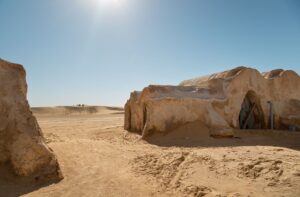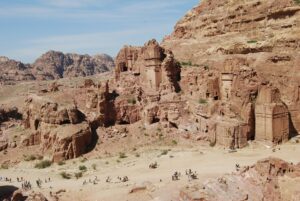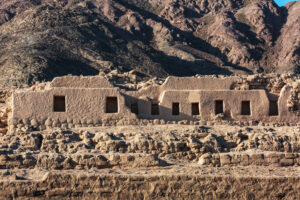
The desert landscapes once used to train General Patton’s 5th Army Tank Corps now offer unique investment opportunities. These expansive sites are rich in history and potential, providing a blend that attracts investors seeking more than just scenic views. The historical significance of these areas, coupled with practical development opportunities, creates a profitable and engaging investment landscape.
Investing in these desert sites is not just about preserving history. It’s also about leveraging the economic advantages that come with developing properties in unique locations. With careful planning and strategic development, these historical plots of land can be transformed into thriving attractions. The combination of historical value and modern gains makes desert investments a compelling choice for forward-thinking investors.
This article explores the hidden wealth of desert investments, highlighting their historical significance, economic benefits, and strategic development steps. It will also discuss methods to ensure the long-term success of these investments. Understanding this unique investment landscape requires a deep dive into both the past and future possibilities that these sites hold. Join us as we uncover the potential of these historic sands and the modern gains they offer.
Historical Value of Desert Investment Sites
The desert training grounds of General Patton’s 5th Army Tank Corps hold immense historical value. These locations served as pivotal training areas during World War II, shaping the skills and strategies of soldiers who went on to significant battles. The harsh conditions of the desert tested their endurance and readiness, embedding deep military history into the sands.
Walking through these sites, you can find artifacts like tank tracks, training equipment, and old barracks. These remnants offer a glimpse into the past and attract history buffs and educators. Preserving these sites can involve setting up museums or guided tours, turning history into an educational experience. This historical preservation not only honors past heroes but also provides a unique way to engage visitors.
The historical significance also justifies the need for these sites to be maintained and protected. Investors can play a crucial role in this by developing sustainable plans that safeguard these histories while transforming the areas into vibrant spaces. The respect for historical value combined with thoughtful investment can turn these sites into treasured landmarks.
Economic Advantages of Investing in Desert Properties
Investing in desert properties presents several economic advantages. One of the foremost benefits is the potential for tourism. Historical sites attract visitors who contribute to the local economy through spending on entrance fees, guided tours, and local businesses like restaurants and hotels.
Some key economic advantages include:
1. Tourism Revenue: Increased visitor numbers boost income from entry fees and guided tours.
2. Local Business Growth: Surrounding businesses like cafes, shops, and hotels benefit from increased tourist foot traffic.
3. Job Creation: Developing and maintaining these sites create employment opportunities for locals.
4. Grants and Funding: Opportunities to secure financial support for historical preservation projects.
Furthermore, the historical significance of these sites can lead to various forms of financial support. Grants and funding from government and private organizations can be used to develop and maintain the site. This funding can reduce initial investment costs and ensure the sustainability of the project.
The local community also stands to gain from such investments. Job opportunities in construction, hospitality, and tourism can uplift the local economy. Additionally, the development of these sites can increase the value of nearby properties, creating a ripple effect that benefits the whole area. Thus, the economic advantages of investing in desert properties are both wide-ranging and substantial.
Practical Steps to Develop and Enhance Desert Investments
Developing and enhancing desert investments involves several practical steps. First, conducting a detailed site assessment is crucial. This assessment should cover the historical value, current state, and areas needing improvement. Having an in-depth understanding of the site helps in making informed decisions on development plans.
The next step is to improve accessibility and visitor amenities. Ensure that roads leading to the site are well-maintained and that there are adequate parking facilities. Adding amenities such as restrooms, visitor centers, and food options can make the site more comfortable and appealing to visitors. These enhancements can significantly boost the site’s attractiveness.
Here are some additional steps to consider:
1. Historical Preservation: Work with experts to preserve key historical elements.
2. Interactive Features: Develop interactive exhibits and guided tours to engage visitors.
3. Marketing Plans: Create comprehensive marketing strategies to reach wider audiences.
4. Community Engagement: Involve local communities in the development process to foster support and cooperation.
Another consideration is securing funding and grants for the development project. Various organizations offer financial assistance for historical preservation, which can offset initial costs. Finally, consider creating partnerships with local businesses and tourism boards to promote the site and generate interest.
Ensuring the Long-term Success of Desert Investments
Ensuring the long-term success of desert investments involves adopting sustainable practices and ensuring community involvement. One of the best ways to future-proof these investments is by incorporating eco-friendly technologies and practices. For example, using solar panels for energy can reduce operational costs and appeal to eco-conscious visitors.
Implementing sustainable practices includes:
1. Renewable Energy: Install solar panels to cut down energy costs.
2. Water Conservation: Use efficient irrigation systems.
3. Eco-Tourism Programs: Develop programs focusing on sustainability and the natural environment.
4. Maintenance Plans: Regular upkeep of the site to preserve its integrity and attractiveness.
Diversifying revenue streams is another critical factor. Offer a variety of experiences, such as special events, workshops, and exclusive tours, to attract different types of visitors and increase income. This diversity can provide a steady revenue flow, even during off-peak seasons.
Engaging with the local community can also ensure long-term success. Hosting community events, encouraging local involvement, and ensuring that the project benefits the surrounding area can create a loyal support base. This community engagement can lead to increased volunteerism and local advocacy, which are vital for the site’s sustainability.
Conclusion
Investing in the historic desert training grounds of General Patton’s 5th Army presents a unique opportunity to blend historical preservation with modern economic gain. These sites attract tourists, create local jobs, and offer essential community benefits. By following strategic development steps and embracing sustainable practices, investors can unlock the full potential of these historic sands.
The historical value of these sites offers a compelling narrative that draws visitors, while practical enhancements and eco-friendly measures ensure their long-term viability. Engaging the local community and diversifying revenue streams also contribute to the sustained success of these investments.
Discover the hidden wealth within these desert landscapes and seize the opportunity to invest in a piece of American history. Visit Patton’s Playground to learn more about investing in campgrounds in Arizona and start planning your venture today. Contact Patton’s Playground now to turn historic sands into modern gains.